Whitefield Social Infrastructure: Schools, Hospitals & Bangalore Real Estate News
Buyers scrutinise floor plans and prices, then discover that daily life is shaped by how far the nearest good school and hospital are. In Whitefield, that infrastructure is unusually well developed — and it is a significant part of the corridor's property story.
Ask anyone who has moved house with children what mattered most, and the answer is rarely the specification sheet. It is the school run, the distance to a reliable hospital, and whether daily errands eat the evening. Social infrastructure determines the texture of ordinary life, and it is one of the few property factors that cannot be improved after purchase. Whitefield's depth here is a genuine differentiator in East Bengaluru, and it underpins demand for premium communities such as the Godrej Villa Whitefield exclusive villas.
Why Social Infrastructure Moves Property Markets
The link between amenities and property demand is direct. Families will accept a longer commute for a good school far more readily than the reverse, and proximity to reliable healthcare becomes decisive as households age or grow. Areas with established institutions therefore draw a deeper and more stable buyer pool than those still waiting for them. Crucially, this infrastructure takes years to build and reputations take longer still, which means a corridor that already has it holds an advantage newer locations cannot quickly replicate.
Schools: The Strongest Single Driver
Education is usually the decisive factor for families, and Whitefield's schooling ecosystem developed alongside its technology workforce — a population that arrived with high expectations and the means to act on them. The corridor and its immediate surroundings host a substantial range of options, spanning international curricula through to established CBSE and ICSE institutions. Names familiar to residents include Deens Academy, Greenwood High, The International School Bangalore, Vydehi School of Excellence and Gopalan International School, among many others across the wider area.
What matters as much as the number of schools is the variety. Households differ in curriculum preference, budget and educational philosophy, and a corridor offering genuine choice across all three is far more useful than one with a single well-regarded institution. For a family planning to remain in a home for a decade or more, that breadth also provides flexibility as children progress through different stages.
Healthcare Within Reach
Healthcare access is the amenity people think about least when buying and value most when needed. Whitefield is served by multi-specialty hospitals alongside a dense network of clinics, diagnostic centres and pharmacies. Well-known institutions in and around the corridor include the Vydehi Institute of Medical Sciences, Manipal Hospital Whitefield and the Sri Sathya Sai Institute of Higher Medical Sciences. The practical significance is straightforward: emergency care within a short drive rather than an anxious cross-city journey.
For households with elderly parents — a common consideration in larger family homes — this proximity often ranks alongside the commute in importance. Routine appointments, ongoing treatment and the reassurance of nearby emergency care all shape whether a location genuinely works for multi-generational living.
Retail, Dining and Lifestyle
Whitefield's retail development has kept pace with its population. Large-format destinations including Phoenix Marketcity, VR Bengaluru, Forum Shantiniketan and Park Square Mall serve the corridor, alongside supermarkets, local markets and an extensive dining scene that has grown around the technology workforce. This matters more than it may appear. Weekend life within the corridor reduces the need for long journeys into the city, which is precisely what allows an outlying area to feel like a complete place to live rather than a dormitory suburb.
The Everyday Layer
Beneath the landmarks sits the unglamorous infrastructure that determines daily convenience: pharmacies open late, reliable grocery delivery, banks, service centres, gyms, salons, veterinary clinics and tradespeople who actually turn up. Established corridors accumulate this layer over years. It rarely features in marketing material, yet residents notice its absence immediately in newer areas. Whitefield's density of everyday services is one of the quieter reasons families who move here tend to stay.
How This Feeds Into Property Demand
Mature social infrastructure influences property markets in several ways at once. It broadens the buyer pool, since families will not consider locations without adequate schooling or healthcare. It supports rental demand, as tenants weigh the same factors. It encourages longer tenure, because households that have settled children into schools are reluctant to move. And it reduces perceived risk, since buyers are purchasing into something that already exists rather than betting on future delivery. Together these tend to support steadier demand than corridors relying on planned amenities.
What It Means for Villa Buyers Specifically
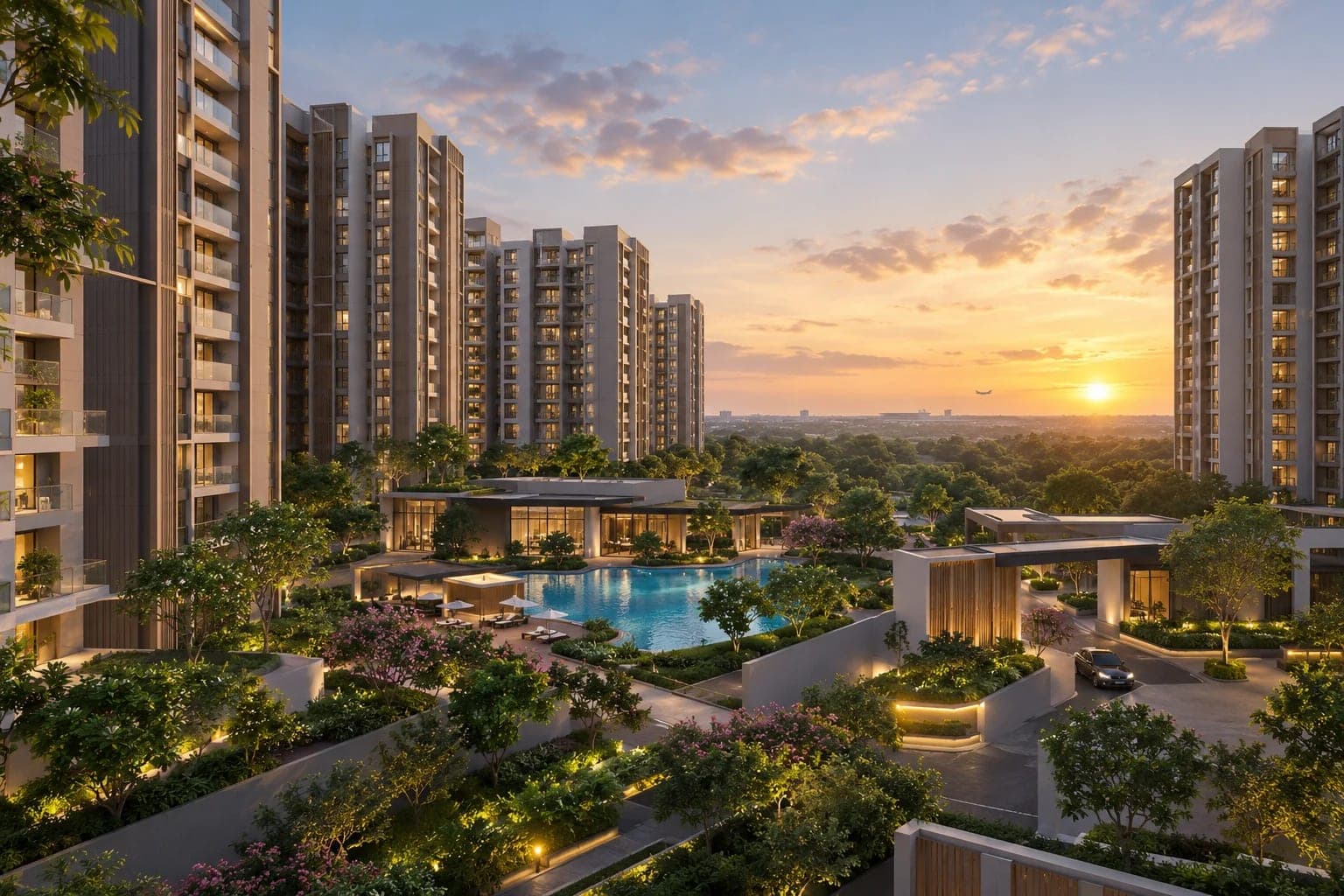
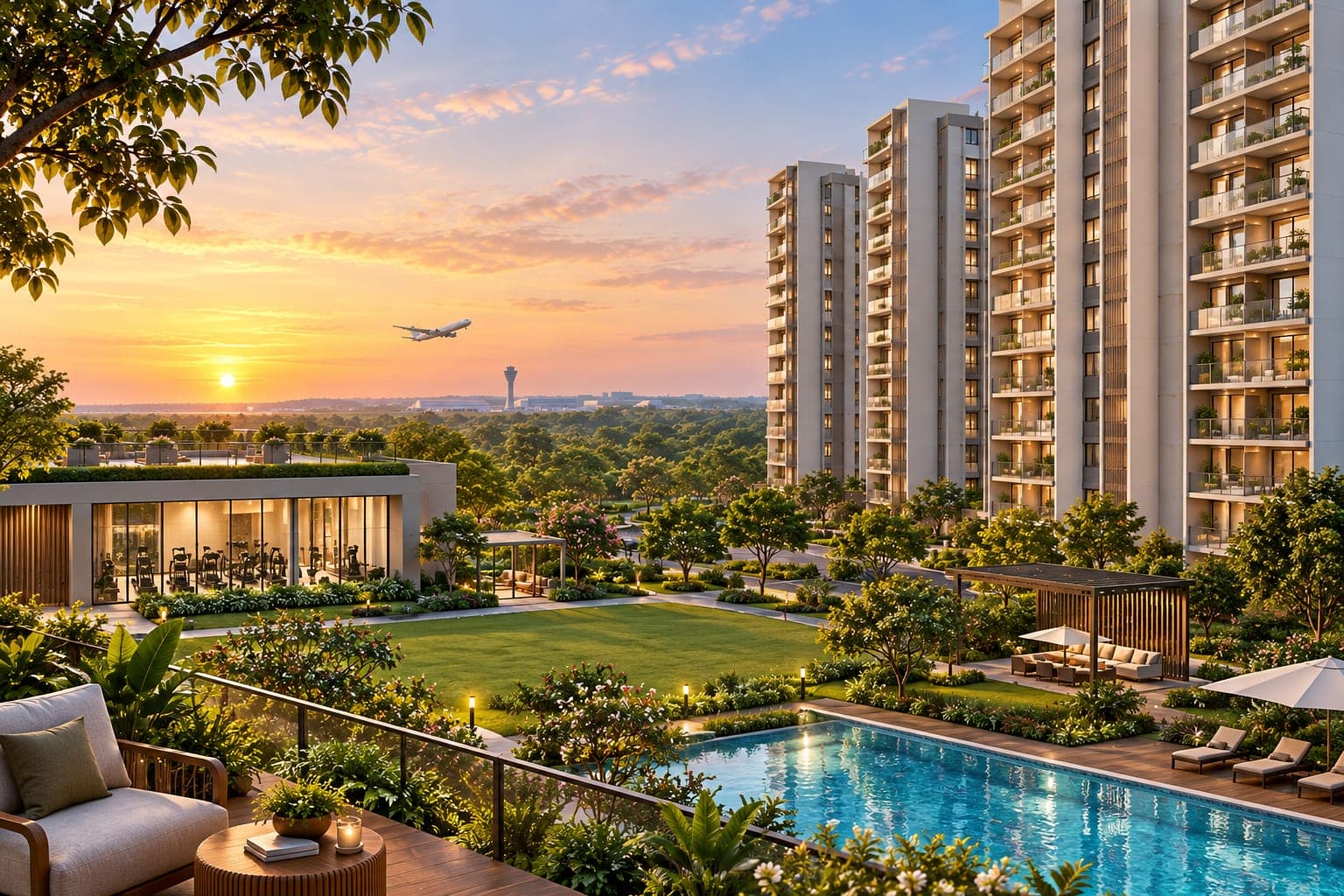
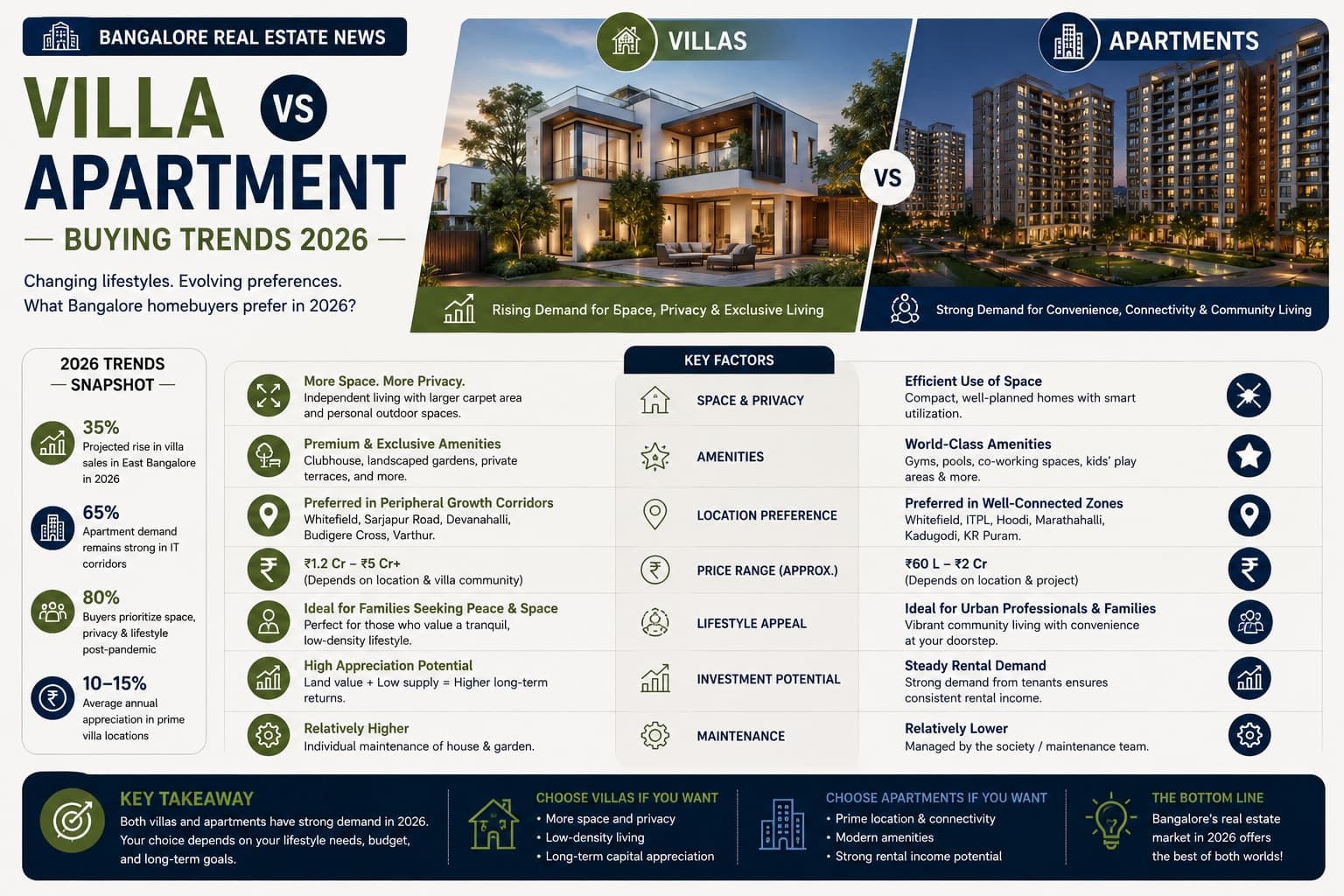
Social infrastructure carries extra weight for independent homes. Villas are typically long-term, end-use purchases made by families planning to stay for many years, often across generations. That extended horizon makes schooling continuity and healthcare access far more consequential than for a buyer expecting to move within a few years. Premium villa communities in Whitefield — such as the Godrej project planned across roughly 20 acres with around 242 homes in 4 and 5 BHK configurations — are aimed precisely at these households, and the surrounding infrastructure is a substantial part of what makes the proposition work.
Beyond Schools and Hospitals
Two further layers deserve mention. Whitefield's proximity to major workplaces means many residents spend their days within the corridor, which sustains demand for cafés, fitness studios, co-working spaces and services during working hours rather than only evenings. Separately, the presence of educational institutions beyond school level, including medical and professional colleges in the wider area, contributes to a more varied resident population. Both factors keep the corridor active through the day rather than only at rush hour, supporting the local economy and, indirectly, the depth of everyday services available to residents.
The Pressure Points
Balance is warranted, because density brings its own difficulties. Popular schools can have competitive admissions and long waiting lists, and school-run traffic contributes noticeably to peak-hour congestion on certain roads. Healthcare facilities serving a large population can be busy. Retail destinations draw visitors from beyond the corridor, adding to weekend traffic. None of this negates the advantage of having the infrastructure, but it does mean the experience is one of a busy, established area rather than a quiet one.
What to Verify for Yourself
General corridor strength never guarantees convenience from a specific address. Before committing, measure the actual distance and travel time from the property to the schools you would realistically consider, at the hours you would travel. Do the same for the nearest hospital with emergency facilities. Check admission processes and availability rather than assuming a place will be found. Walk or drive the immediate neighbourhood to gauge everyday services. Two homes in the same corridor can differ substantially on all of these, and only your own checks will reveal it.
Looking Ahead
Social infrastructure tends to deepen where population and incomes support it, and Whitefield's trajectory suggests continued investment by education and healthcare providers. That said, growth also brings pressure on existing institutions and roads. The reasonable expectation is gradual improvement alongside gradual crowding — a normal pattern for successful corridors. Buyers should value what exists today rather than paying a premium for facilities that are merely announced, while recognising that established areas rarely go backwards.
The Bottom Line
Whitefield's social infrastructure is among its strongest assets. A broad range of schools across multiple curricula, multi-specialty hospitals within reach, extensive retail and dining, and a dense everyday services layer together mean families moving here are not waiting for amenities to arrive. For long-term buyers, particularly those choosing independent homes intended to house a family for years, that maturity is a substantial and often decisive advantage. Verify the specifics from the address you are considering, and weigh convenience alongside price. To review one premium villa community within this corridor, explore the Godrej Villa Whitefield exclusive villas listing.
Disclaimer: This article is general information and market commentary based on publicly available sources. It is not financial, investment, legal, medical or educational advice, nor an offer of sale. Institutions named are mentioned for general reference only; their status, location, offerings and admission processes should be verified independently and no endorsement or affiliation is implied. Any project referenced is in its pre-launch phase, with configurations, areas and pricing indicative and subject to change. All details should be independently verified with the developer or an authorised channel partner before making any decision.